
Animal welfare programme
Dog deworming & vaccination
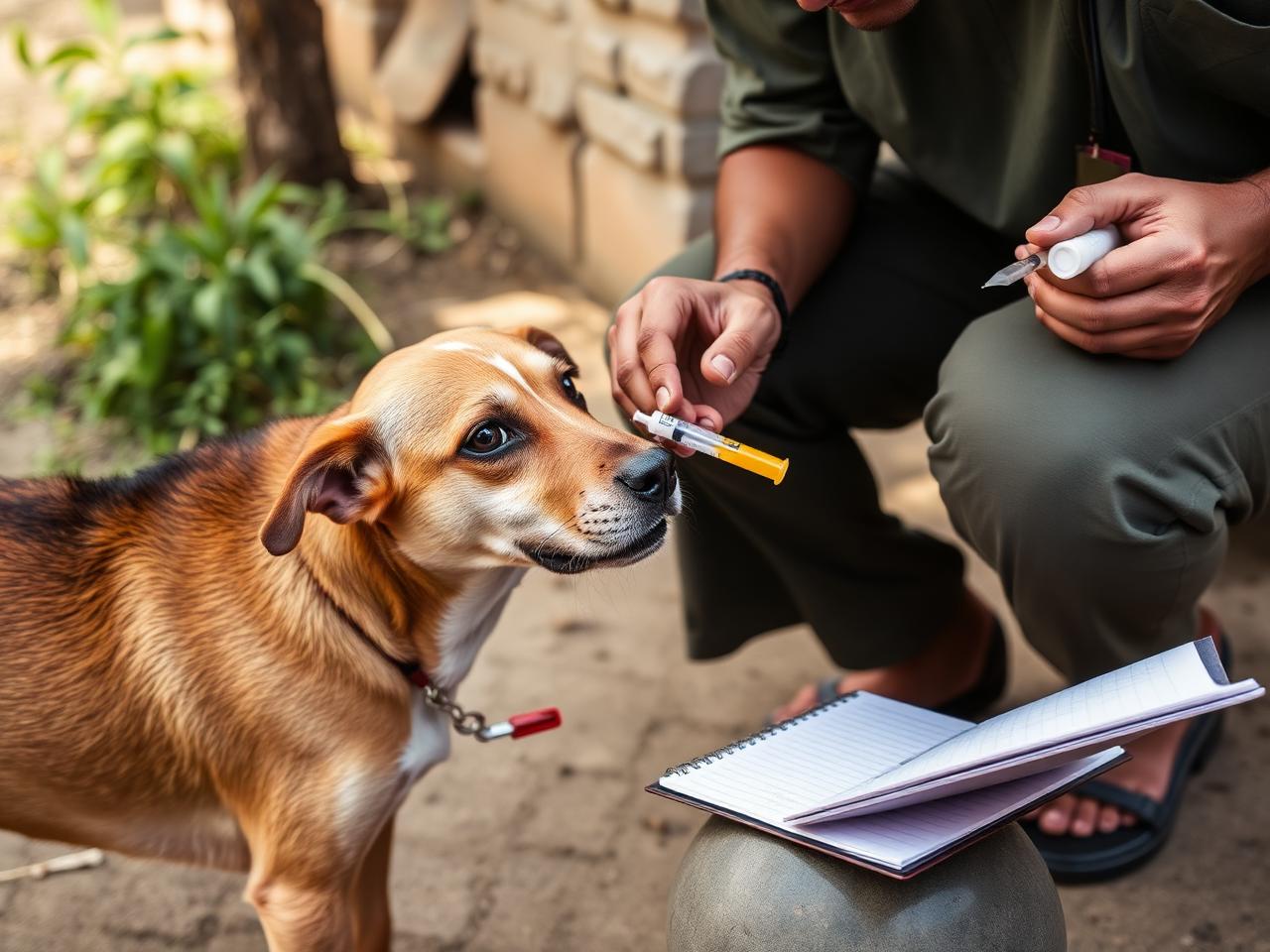
Prevention is quiet work. A dewormed, vaccinated dog rarely makes a story, and that is precisely the point: fewer emergencies, fewer preventable deaths and safer streets for people too.
01
Why preventive care comes first
Heavy worm loads leave puppies weak, stunted and vulnerable to infections that a healthier animal would survive. Vaccination protects against diseases that spread quickly among unprotected street populations and, in the case of rabies, affects human safety as well.
Preventive drives are also the least invasive way to build trust with the dogs and with the people who live alongside them.
Caption and photo credit are editable content fields.
02
How a preventive drive works
Every animal is treated as an individual case, assessed by the attending veterinarian on the day.
- Area planning with residents and volunteers who know the dogs
- Individual assessment of age, weight and general condition by a veterinarian
- Deworming and vaccination administered only as the veterinarian advises
- Records maintained per animal to support the next round
- Follow-up visits, since most preventive care depends on repetition
Caption and photo credit are editable content fields.
03
Records and follow-up
Preventive care only works when it is repeated on schedule. We keep simple, practical records of animals covered so that later rounds are accurate rather than guesswork.
Where a dog is found to need treatment beyond preventive care, the case is referred for veterinary attention.
Caption and photo credit are editable content fields.

Not medical advice
This page describes our programme, not a treatment protocol. Dosages, vaccine choice and schedules differ by animal, age, weight and health status, and must be decided by a registered veterinary professional. We do not publish a universal schedule and we do not advise on medication.
From the field
Photographs from this programme
Images are added only when they are supplied by the organisation and cleared for publication.

Ways to help
How you can help
Sponsor a preventive round
Cover the vaccines, deworming and veterinary support for an area's scheduled round.
Volunteer on drive days
Help with area coordination, records and calm handling alongside the veterinary team.
Partner as a clinic
Veterinary clinics can collaborate on scheduled preventive drives in specific localities.
Questions
Frequently asked questions
How often should a community dog be dewormed?
That depends on the animal and must be decided by a veterinarian. We do not publish a single schedule for all dogs.
Are the vaccinations free for community dogs?
Drives supported through donations are provided at no cost to residents. Coverage depends on funding and veterinary availability.
Can I get my pet treated at a drive?
Our drives are planned for community and street animals. Please consult your own veterinarian for pets.
Animal welfare
Stray dog feeding
Regular, responsible feeding that helps community dogs stay healthier and makes other care, such as vaccination or sterilisation, possible.
Animal welfare
Stray cow feeding
Fodder and water support for stray and abandoned cows, distributed in ways that keep both animals and roads safe.
Animal welfare
Dog sterilisation drives
Humane population management carried out with qualified veterinary professionals, with proper pre-operative and post-operative care.
Animal welfare
Abandoned dog rescue
Assessment, safe handling, veterinary evaluation and recovery support for abandoned, injured or unwell dogs, with responsible rehabilitation where possible.
Get involved
Be part of a more compassionate India
Whether you give an hour a week, a skill, a partnership or a contribution, there is a way to help care reach further.