
Animal welfare programme
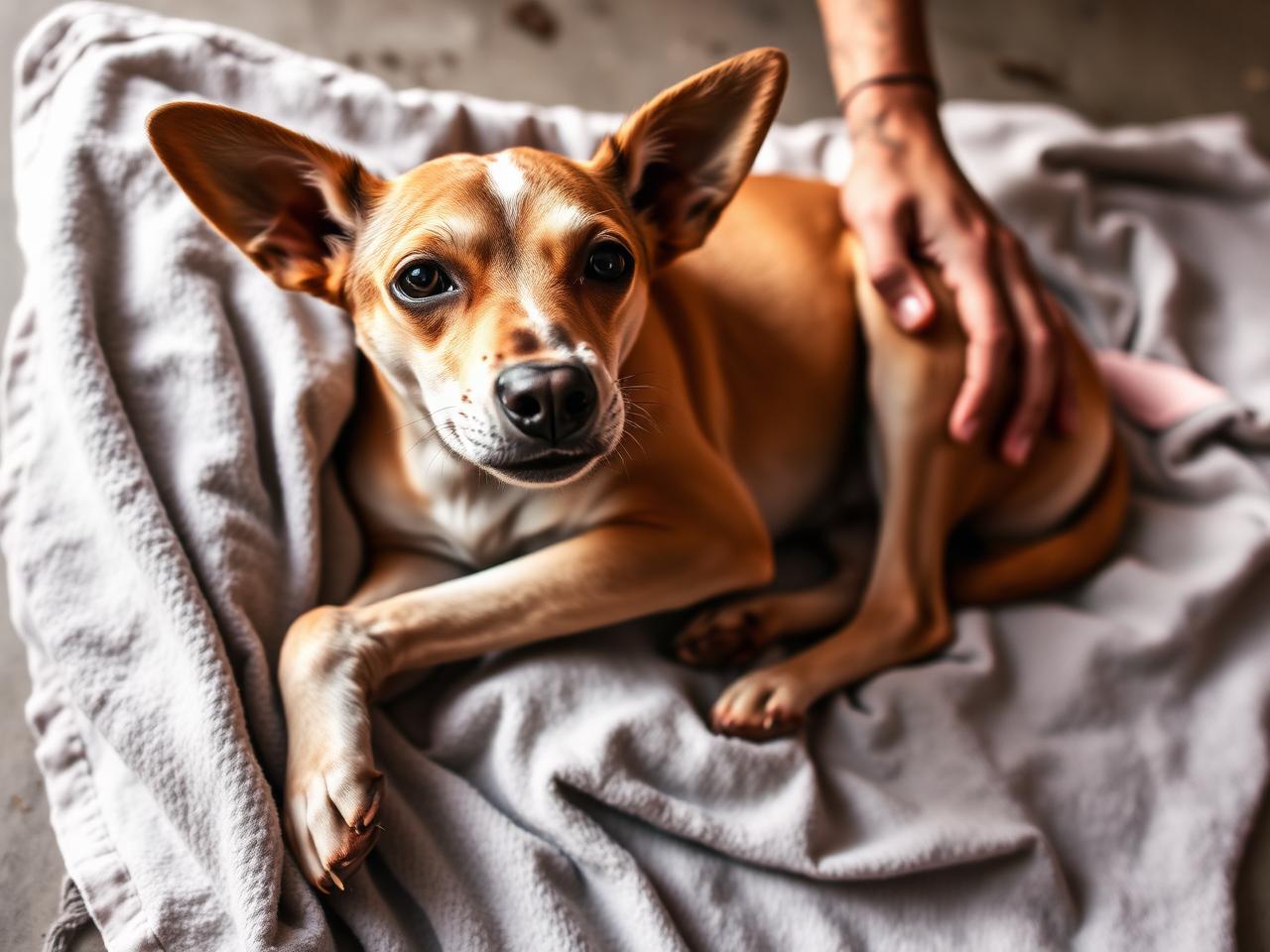
Abandoned dog rescue
Abandonment leaves a dog without the two things it depended on — food and safety. Our rescue work is deliberately careful: assess first, involve a veterinarian early and plan for the weeks after the rescue, not just the hour of it.
01
What we look at first
Not every dog on the street needs rescuing, and removing a healthy community dog can do more harm than good. The first step is always an honest assessment of whether intervention will genuinely improve the animal's situation.
Where an animal is abandoned, injured, very young, unwell or in immediate danger, we work towards safe removal and veterinary evaluation.
Caption and photo credit are editable content fields.
02
How a rescue is handled
Frightened animals behave unpredictably. Calm, slow handling protects both the dog and the people around it.
- Assessment of the animal's condition and the surroundings before any approach
- Safe handling by trained volunteers using appropriate equipment
- Transport to a veterinary facility for professional evaluation
- Treatment plan and duration decided by the attending veterinarian
- Temporary care during recovery, with feeding, medication and rest as advised
- Rehabilitation, responsible adoption or return to a safe familiar area, case by case
Caption and photo credit are editable content fields.
03
Responsible adoption
Where adoption is appropriate, we look for a considered home rather than a quick one: a conversation about the household, the commitment involved and the animal's ongoing medical needs.
Some animals, particularly those with permanent disability, need long-term protected care. Providing that at scale is one reason the proposed Bhairav Dham sanctuary exists as a plan.
Caption and photo credit are editable content fields.

Care and safety considerations
We cannot accept every rescue request. Capacity depends on volunteers, veterinary availability, transport and space at any given time. Where we cannot help directly, we try to point you towards services that can. Please never attempt to handle an injured or aggressive animal without training.
From the field
Photographs from this programme
Images are added only when they are supplied by the organisation and cleared for publication.

Ways to help
How you can help
Sponsor a recovery
Support veterinary treatment, medication and feeding through an animal's recovery period.
Foster during recovery
A quiet home for a few weeks can make the difference between survival and relapse.
Adopt responsibly
Speak with us about the animals ready for a permanent, prepared home.
Questions
Frequently asked questions
I have found an injured dog. What should I do?
Contact an emergency veterinary service or your local animal welfare authority immediately. Keep the animal calm and do not attempt to handle it if it is frightened or in pain.
Can you rescue every animal reported to you?
No. We assess each request against veterinary availability, transport, volunteers and space, and we say so honestly when we cannot help.
Do you rehome dogs?
Where adoption is suitable for the animal, yes, after a conversation with the prospective home about long-term commitment and medical needs.
Animal welfare
Stray dog feeding
Regular, responsible feeding that helps community dogs stay healthier and makes other care, such as vaccination or sterilisation, possible.
Animal welfare
Stray cow feeding
Fodder and water support for stray and abandoned cows, distributed in ways that keep both animals and roads safe.
Animal welfare
Dog sterilisation drives
Humane population management carried out with qualified veterinary professionals, with proper pre-operative and post-operative care.
Animal welfare
Dog deworming & vaccination
Preventive care delivered under veterinary guidance — assessment, suitable schedules, records and follow-up for community dogs.
Get involved
Be part of a more compassionate India
Whether you give an hour a week, a skill, a partnership or a contribution, there is a way to help care reach further.