
Internships
Learn how field work actually gets done
A structured, mentored placement for students and early-career professionals who want real exposure to animal welfare and community health work — not filing duties.
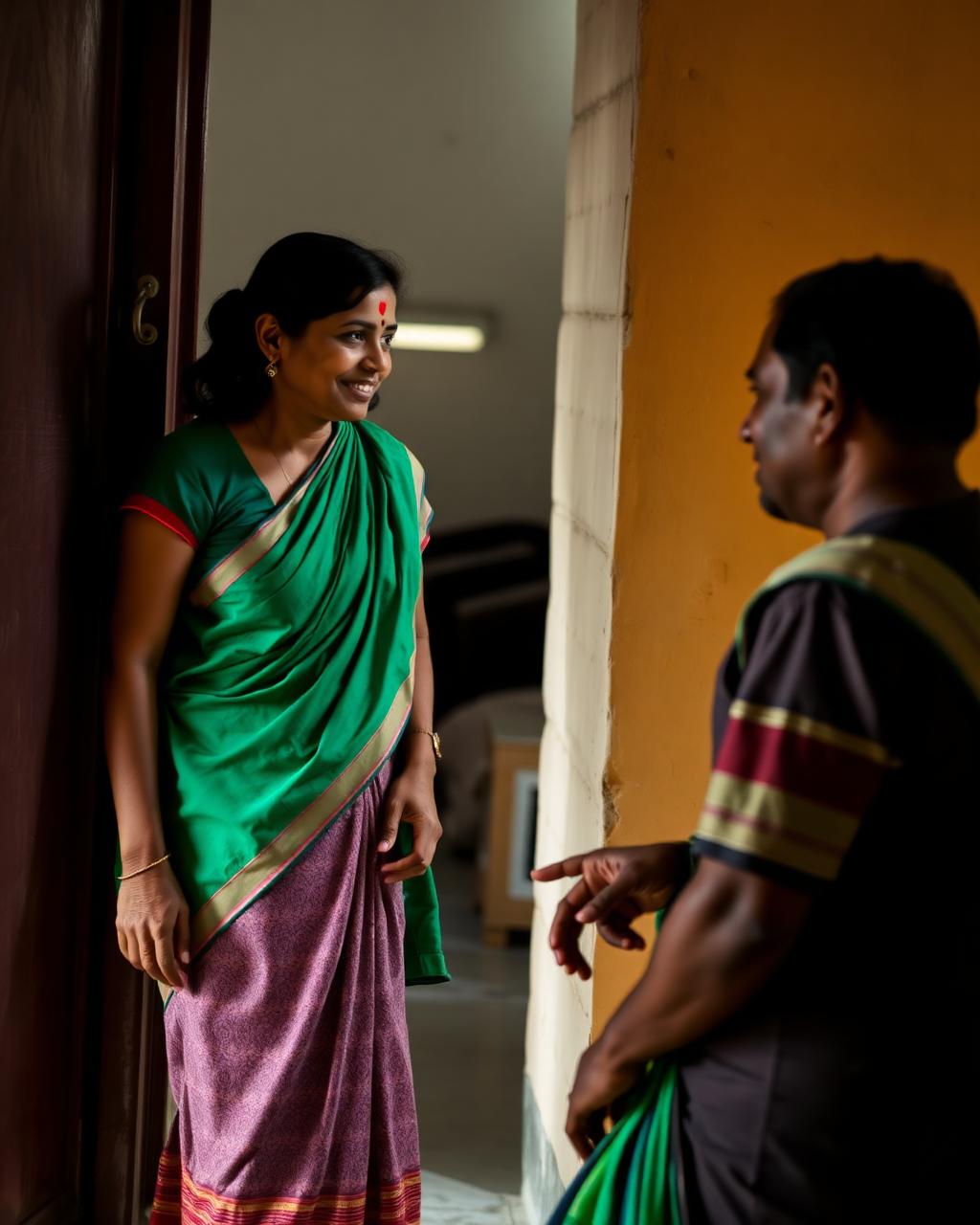
Tracks
Five areas we can host interns in
Availability depends on the season and the programmes running at the time, so we confirm the track during the conversation.
Programme support — animal welfare
Assist with planning feeding routes, sterilisation and vaccination drives, rescue follow-ups and record-keeping alongside the field team.
Programme support — community health
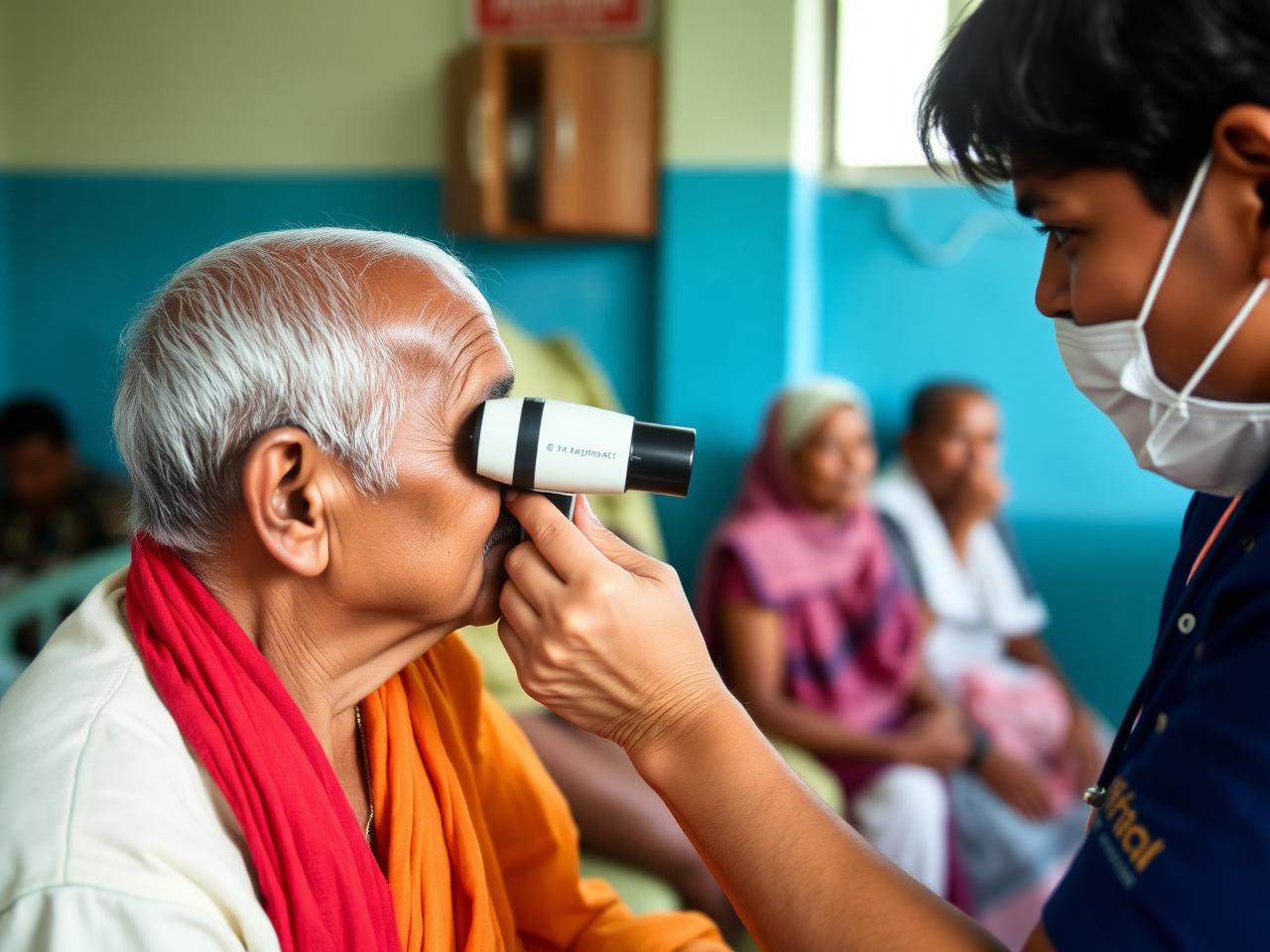
Help organise ENT, hearing and general screening camps: venue coordination, registration systems, attendee flow and post-camp follow-up lists.
Communications and design
Write field notes, produce social content, edit photographs and build simple collateral that represents the work accurately and respectfully.
Research and documentation
Review literature and public data on street-animal management, hearing loss or mental health, and help structure our internal reporting.
Fundraising and partnerships
Research prospective CSR, institutional and individual supporters, and help prepare clear, honest proposal material.
Who this suits
No single background required
We have hosted students of social work, public health, veterinary science, communications, design and management, as well as people changing careers. What matters more is that you finish what you start and write clearly.
Fieldwork can be hot, slow and emotionally difficult. Interns are supported, briefed and never asked to perform clinical tasks — those remain with registered veterinarians, doctors and audiologists.
- A defined scope of work agreed at the start of the placement
- A named point of contact from the team throughout
- Exposure to both animal-welfare and human-welfare programmes where possible
- Honest feedback, and a certificate on completion
- Flexibility around exams and college submission deadlines
How to apply
Four steps, usually within two weeks
01
Send your details
Share the form below or email us with your track preference and dates.
02
Short conversation
A call to understand your interest, skills and college requirements.
03
Scope agreed
We confirm the track, supervisor, duration, hours and deliverables in writing.
04
Start and review
Regular check-ins, a closing review, certificate and evaluation.
Internship application
Tell us what you would like to work on

This form is not yet connected
Questions
Frequently asked
Are internships paid?
Internships are currently unpaid. Where fieldwork requires travel arranged by us, we try to cover that specific cost. Any stipend or reimbursement is confirmed in writing before you start.
How long is an internship?
Most placements run four to twelve weeks. We can align the duration and hours with a college requirement if you share the guidelines.
Is it remote or in person?
It depends on the track. Communications, research and fundraising work can be largely remote; programme support involves field days in and around Gurugram and Delhi NCR.
Will I get a certificate or evaluation?
Yes. On completion we provide a certificate and, if your institution requires one, a completed evaluation reflecting the work you actually did.
Who supervises the placement?
Each intern is assigned a point of contact from the team who sets the scope at the start, checks in through the placement and signs off at the end.
Get involved
Be part of a more compassionate India
Whether you give an hour a week, a skill, a partnership or a contribution, there is a way to help care reach further.